Shoulder Care

Rotator Cuff Repair

Arthroscopic and biologic techniques for durable rotator cuff healing.

Board-Certified
20+ yrs
Fellowship Trained
Sports Med
Location
Dublin, OH
Approach
Minimally Invasive
Overview

An approach built around your anatomy.

The rotator cuff is a system of tendons and muscles that holds the bones of the shoulder in place and lets you move your arm in multiple directions. Tears come from acute trauma — like a dislocation — or, more commonly, from years of wear and tear. According to the Mayo Clinic, more than half of people over 60 have some form of rotator cuff tear.

Treating rotator cuff tears has historically been a challenge: traditional repair stitches the damaged tendon back onto the bone, but the tendon itself may still be weak, and re-tears are common. Dr. Kovack offers superior surgical options — including biologic augmentation — so patients have a far better chance of long-term relief and return to activity.

Rotator Cuff Repair at Advantage Orthopedics, Dublin OH
Advantage Orthopedics

Dr. Thomas Kovack, M.D.

01

Bio Cuff Repair with CuffMend Dermal Allograft

For complex, large, or revision tears, Dr. Kovack offers the Bio Cuff Repair procedure using CuffMend Dermal Allograft. CuffMend uses dermal allograft tissue that can increase the initial repair strength by more than 60% and accelerate healing with a lower risk of re-tear.

Dr. Kovack places the implant over the damaged tendon arthroscopically, through small incisions. Over time the implant grows into and reinforces the repair, helping new, stronger tendon tissue to form and last.

Dr. Kovack is one of a small number of surgeons in Ohio routinely offering Bio Cuff Repair as a primary technique, not just as a salvage option for failed prior repairs.

02

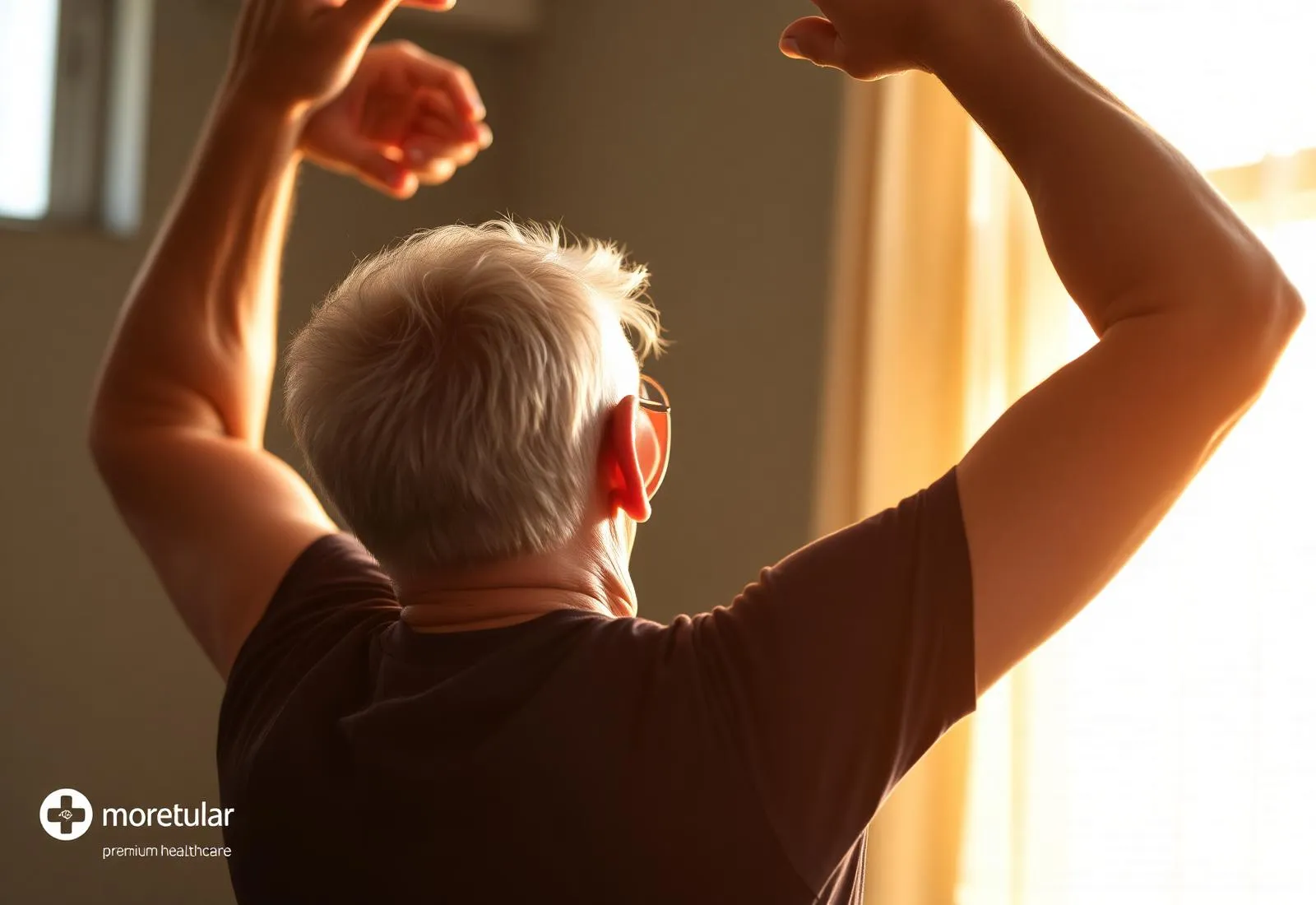
What recovery looks like

Traditional rotator cuff recovery typically involves 4–6 weeks in a sling followed by 4–6 months of structured physical therapy. We tailor your protocol to the size of the tear, the tissue quality we find at surgery, and whether biologic augmentation was used — and we coordinate directly with your therapist.

Scope of Care

What we treat, and how we treat it.

Conditions Treated6

What we treat

  • Partial-thickness rotator cuff tears
  • Full-thickness rotator cuff tears
  • Massive and retracted rotator cuff tears
  • Failed prior rotator cuff repair (revision)
  • Rotator cuff tears with compromised tendon tissue
  • Subacromial impingement contributing to cuff injury
Procedures Offered6

How we treat it

  • Arthroscopic single-row and double-row rotator cuff repair
  • Bio Cuff Repair with CuffMend Dermal Allograft
  • Rotium bioresorbable patch augmentation
  • Subacromial decompression with rotator cuff repair
  • Superior capsular reconstruction (for irreparable tears)
  • Biceps tenodesis when indicated
Recovery & What to Expect

Plan on about 4–6 weeks in a sling followed by 4–6 months of structured physical therapy. Most patients return to desk work within a few weeks and to full activity, including overhead sports, by 6 months.

Frequently Asked Questions

Rotator Cuff Repair — answers to common questions.

What is the rotator cuff?
The rotator cuff is a group of four tendons and muscles that surround the shoulder joint, hold the ball of the upper arm bone in the socket, and allow you to lift and rotate your arm.
What is Bio Cuff Repair with CuffMend?
Bio Cuff Repair uses a CuffMend Dermal Allograft patch placed over a standard arthroscopic rotator cuff repair. The graft increases the initial strength of the repair by more than 60%, accelerates healing, and lowers the chance of re-tear — especially in larger tears or thinner tendon tissue.
Can a rotator cuff tear heal without surgery?
Partial-thickness and small degenerative tears can sometimes be managed with physical therapy and injections. Full-thickness tears in active patients almost always need surgical repair to restore strength and prevent the tear from enlarging over time.
Who is a candidate for biologic cuff repair?
Patients with larger tears, thinner or fatty-infiltrated tendon tissue, or a prior failed repair are typical candidates. Dr. Kovack evaluates tendon quality on MRI before surgery and confirms intraoperatively whether biologic augmentation is appropriate.
How long does a rotator cuff repair last?
When the repair heals, it is durable for decades. Biologic augmentation is used in higher-risk cases — large tears, revisions, or poor tissue — specifically to improve the chance of a lasting repair.
How long is recovery from rotator cuff surgery?
Plan on about 4–6 weeks in a sling, followed by 4–6 months of structured physical therapy. Most patients are back to light daily activity within 6–8 weeks and to overhead activity around 4–6 months.
Is the procedure outpatient?
Yes. Arthroscopic rotator cuff repair — with or without CuffMend augmentation — is performed on an outpatient basis. You go home the same day.

Ready to discuss rotator cuff repair?

Book a consultation with Dr. Thomas Kovack at Advantage Orthopedics in Dublin, Ohio, or call our office to talk through next steps.

Visit Us

Advantage Orthopedics

Thomas Kovack, D.O.

6670 Perimeter Dr, Suite 140
Dublin, OH 43016
614.526.2150